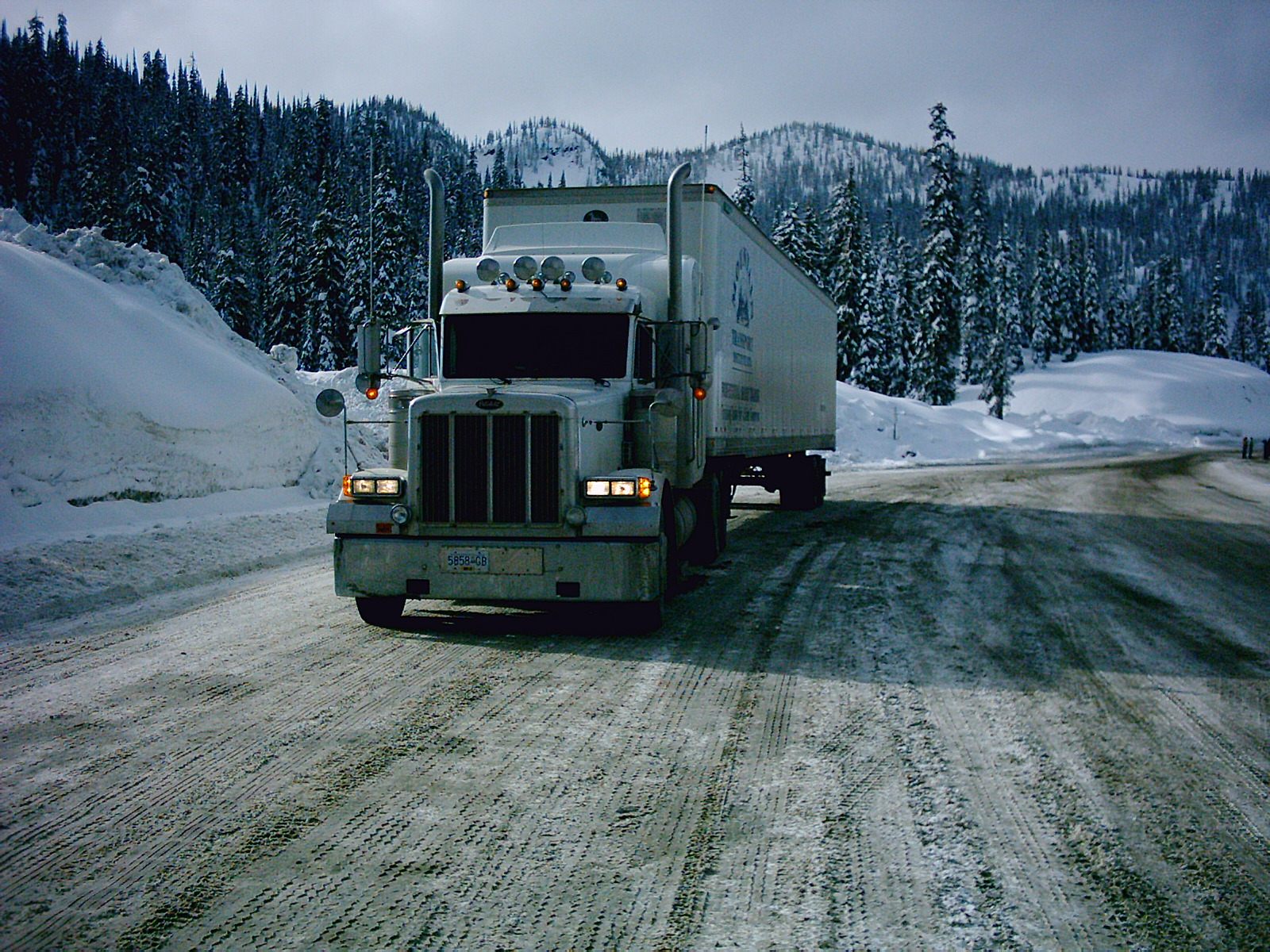
Decisions on Shutdown and Reroute
The rescheduling of the dispatcher’s work onto snow and ice operations in the trucking business serves to sustainably change the dispatcher’s basic operations. In the event of extremely bad winter weather, dispatching completely delves into being a safety-critical function of control rather than a mere coordination task. The direct effect of every decision is not only whether operations should be shut down or equipment rerouted or stayed in position, but also impacted directly are road safety, vehicle operations, legal exposure, and driver survival.
In contrast to the routine dispatching, the winter decision-making cannot be founded on optimistic assumptions, standard delivery times, or pressure-based execution. Reaction time and the consequences of even small mistakes are reduced in situations where snow and ice are present and where road conditions are quickly deteriorating. A dispatcher protocol for snow and ice operations must thereby be systematized, cautious, and defensible.
This text outlines how dispatchers ought to assess hazard conditions, decide when shutdown becomes a must, intelligently select reroute strategies, and coordinate emergency response without associating risk onto drivers.
Winter Trucking Leaves You With Decisions To Make
How Snow and Ice Change the Mind of the Dispatcher
In normal conditions, dispatches revolve around mileage, timing, asset utilization, and freight commitments. During snow and ice operations, those priorities become opposite. The dispatcher’s top priorities change from meeting the delivery to risk containment.
Unfavorable weather conditions lead to instability that dispatchers cannot close with the use of tighter schedules. The accumulation of snow, the formation of ice, and the failure of pavement treatment reduce traction randomly. Plowing and anti-icing operations could be trailing precipitation, creating narrow windows that make roads look passable but actually, they are not. Winter road maintenance manuals emphasize that effective plowing and anti-icing operations are critical to keeping roads safe for vehicle operations and help reduce driving risk. transportation.org
As a result, marginal decisions turn into critical mistakes.
The reason that snow and ice operations are so particularly dangerous is due to the feedback delay. A truck, for example, could enter a path with good conditions but lose safe exit options an hour later because of the closure of the road, vehicles left in jackknife, or the suspension of snow removal. Dispatchers who use only forecasts instead of real-time road conditions might often trap drivers in dangerous conditions without good parking or turning options.
Of equal significance is the human factor involved. Driving during winter months considerably raises the cognitive load. Drivers need to constantly battle with traction, braking distance, visibility, and fatigue. When dispatching pressure remains the same during winter months, drivers prove vulnerable to the dangerous compensatory behavior, whether this is speeding on treated sections, missing breaks or continuing the journey despite clear hazard signals.
A proper dispatcher protocol understands the principle that, during snow emergencies, safety margins should be increased and not decreased. Decisions should be based on verified road conditions, infrastructure response capability, and vehicle limitations, rather than freight urgency.
Shutdown vs Reroute: Decision Logic Under Winter Conditions
One of the dispatcher’s top choices during snow and ice operations is whether to shut down or reroute. Both choices are risky, whereas an incorrect decision can quickly escalate the issue!
The closure of operations is the appropriate decision when the risk is beyond the control — when the dispatcher is not able anymore to predict the safe way to continue with a reasonable certainty. This is usually when pavement treatment is not successful, road closures are connected, or emergency response capacity is lacking. Shutdown is not an operational failure: it is a controlled emergency response that secures the driver and the organizational’s well-being.
On the contrary, Rerouting is only valid when it decreases the overall exposure. A reroute that avoids a closed interstate but sends trucks onto untreated secondary roads, higher elevations, or unfamiliar parking zones often increases danger rather than mitigating it. Dispatchers must evaluate the complete picture which includes not only distance and terrain but also snow removal coverage, traffic density, and availability of safe refuge.
A disciplined dispatcher protocol sets a clear definition when rerouting is off-limits and when shutdown has greater priority than delivery obligations.
Shutdown vs Reroute Decision Matrix
| Condition | Shutdown Recommended | Reroute Acceptable |
| Active or expanding road closures | ✔ | ✖ |
| Failed or delayed snow removal | ✔ | ✖ |
| Untreated secondary roads | ✔ | ✖ |
| Verified treated alternate route | ✖ | ✔ |
| Limited legal parking availability | ✔ | ✖ |
| Emergency response overwhelmed | ✔ | ✖ |
In following this logic, dispatchers consistently cut down on accidents, non-compliance, and long-term losses related to operations.
Merging Road States, Vehicle Restrictions, and Emergency Response
The project of dispatching snow and ice operations hinges on three essential elements of operation: road conditions, vehicle operation, and emergency response readiness. Missing out on any one of these creates blind spots, leading to incidents that could have been avoided.
Road conditions have to be investigated beyond surface-level weather alerts. Dispatchers should give priority to reports on pavement treatment effectiveness, refreeze risk, visibility, and congestion caused by stalled vehicles. Snow removal schedules and plowing coverage are often uneven, even on major corridors, making real-time confirmation essential.
Vehicle operations impose additional constraints. Load weight, trailer type, axle configuration, and tire condition all influence winter performance. A route that is marginally acceptable for one tractor-trailer combination may be unsafe for another. Dispatch protocols must respect equipment limitations rather than assuming uniform capability.
Ems response capacity is the final constraint. During bad snow days, tow services, road assistance, and law enforcement may be delayed or off. Dispatchers must think about the transport extended times along with places where drivers may need to stay over. This alone gives a solid base to justify a conservative virtual shutdown when the environment falls.
Dispatcher Winter Risk Evaluation Table
| Factor | Low Risk | Elevated Risk | Critical Risk |
| Road treatment | Active & effective | Delayed | Failed |
| Visibility | Clear | Reduced | Near zero |
| Parking access | Abundant | Limited | None |
| Emergency response | Normal | Delayed | Overwhelmed |
| Equipment traction margin | High | Moderate | Low |
When factors compile critical risk, the responsibility is solely on the shutdown.
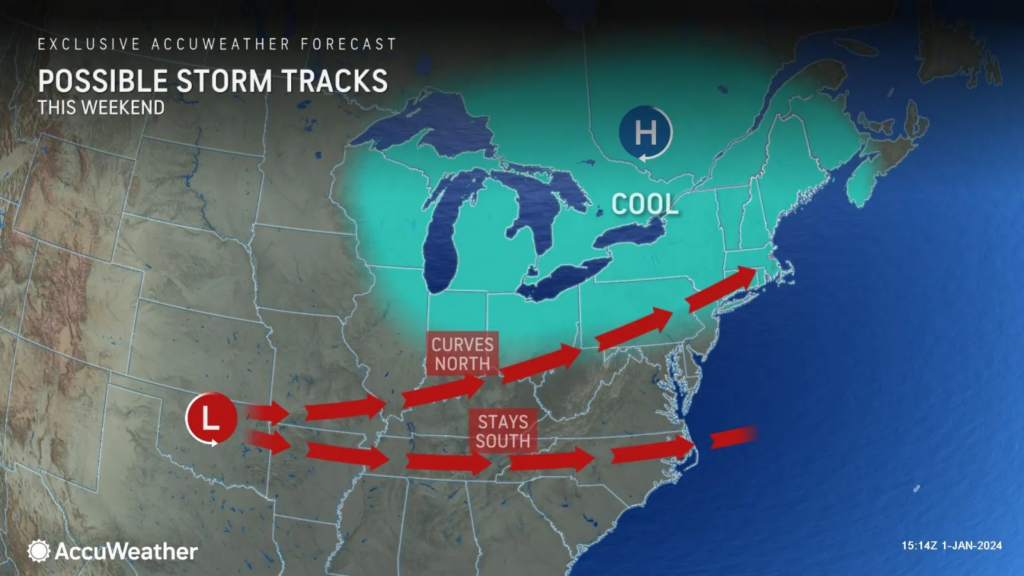
Conclusion: Winter Dispatching Is a Life-saving Job
Snow and ice operations lay bare the flaws of aggressive dispatching. The winter dispatcher protocols that are the most successful are the ones that primarily focus on shutting down, rerouting conservatively, and assessing hazards in real time rather than on freight movement.
A dispatcher’s most valuable load, not freight, is driver safety during winter. The fleets that endure the winter season without running into many mishaps are the ones that embrace snow and ice decisions as safety regulations, rather than just operational inconveniences.
- snow ice operations require structured dispatcher awareness and constant reassessment of road conditions.
- Effective ice control directly influences route decisions and determines whether continued movement is defensible.
- Clear shutdown protocol allows dispatchers to act decisively during a snow emergency.
- A conservative reroute strategy reduces exposure when winter driving conditions deteriorate.
- A severe weather protocol formalizes decision-making during prolonged snow and ice events.
FAQ: Snow / Ice Operations Dispatcher Protocol
When should a dispatcher decide to initiate a shutdown instead of opting to continue operations?
Generally, a dispatcher ought to apply a pre-set protocol to the form of the shutdown when the road conditions are unpredictable and beyond one’s control. Some of these include the expansion of road closures, unfit snow equipment then roads remain untreated, no-tow-away-zone sign recognition log-holders, and overloaded emergency response services. A dispatcher’s shutdown is not a reaction to fear but a structured safety decision aimed at preventing driver exposure to worsening hazardous conditions while operating under the snow or ice.
How is a reroute plan assessed under winter weather?
A reroute plan can only be legitimate if it is seen as the major one-off that really lowers the risk. The dispatchers must check if road boom status is effective, if the elevation changed, if the traffic was crowded, if the snow was plowed, etc. Rerouting onto secondary or untreated roads is mostly preferable as it means less danger even if the distance is shorter. Road decisions in winter driving must put safety margins first over delivery speed.
What part does ice control and pavement treatment occupy in the decision-making of the dispatchers?
Ice control and pavement treatment are basic road viability indicators. Dispatchers should not trust only the forecasts issued by the meteorologists but should also check out whether the plowing and anti-icing operations are doing their job effectively and constantly. Open roads that lack active treatment will tend to not be operational on short notice, making continued operations unsafe despite light traffic or reopening.
How should dispatchers handle situations during a snow emergency declaration?
In the case of snow emergency declarations, dispatchers should switch to the emergency response mode entirely, which means they have to suspend the delivery-driven pressure, increase communication frequency with the drivers, and reassess the threshold for potential shutdowns and ensure the drivers are in safe parking areas. Snow emergencies require conservative decisions based on the premise of a predefined severe weather protocol.
In what way is the dispatcher’s decision-making pivotal for the commercial vehicle safety in the winter?
The dispatchers control risk exposures. A decision on whether to move, delay, or close the route has a direct consequence on the braking distance, the amount of fatigue that accumulates, and in turn the driver’s reaction time. Under the winter conditions in the vehicle, the safety of the commercial vehicle depends on the dispatch discipline, which in turn is the responsibility of the driver. Routing is unsafe, or the pressure-driven ETAs can even the best driver’s ability to operate at the level of safety be disposed of.
How can fleets minimize loss in the long run during snow and ice operations?
Units which, by the winter, have unwanted accidents and liability tend to mainly depend on arranged dispatcher routines, a cautious shutdown agenda, and re-route plans that are driven by safety. Taking snow and ice operations as a safety regime rather than a minor operational hurdle not only leads to fewer bust-ups but also enhances compliance and better retention through the winter months.