Automated truck driving dispatching is certainly one of the most fast and cognitive demanding roles in the transportation sector. A dispatcher lives inside constant vibration: tracking vehicles, switching routes mid-shift, answering urgent calls, and making decisions that cannot be delayed. In such conditions, sleep and nutrition are the first sacrificed elements to keep operations running, especially under heavy schedules, rotational shifts, or Panama schedule. Dispatchers return the for the imbalance undergone through it. Under a busy schedule, sleep and nutrition should be treated as routine maintenance, not as optional personal habits.
This checklist reflects the daily life of a true dispatcher. Not ideal mornings and not perfect meal prep, but practical sleep routine and diet routine that work under pressure, on nights shifts, and irregular hours. A healthy diet and a protected sleep routine are essential to sustaining dispatcher performance over time.
What Dispatcher Sleep and Diet Are Given Up First
Dispatcher sleep and diet go down for many of the same reasons we see in gripping cases of shift work sleep patterns, and they are often the same as those reported in first responders’ sleep research. Research shows that shift work is associated with poorer sleep quality and lower diet quality among workers, highlighting the health impact of irregular schedules on sleep and eating habits (see The effects of shift work on sleep quality and diet quality).
Dispatcher fatigue patterns closely resemble first responder sleep challenges, where sustained alertness is required despite unpredictable workloads:
- Unpredictable starting and ending times
- High cognitive demand late into the shift
- Constant stress-driven decision-making
- Long screen-time exposure
In fact, a dispatcher stands or moves for less than 20% of the shift time, while the rest of the working hours are spent seated in front of multiple screens.
When these issues are not addressed, the sleep routine becomes fragmented, and the diet turns reactive. After a while, the dispatcher’s health suffers: their reactions slow, their emotional control becomes weaker, and they become less healthy in the long run. This deterioration happens slowly, which is why it is often not noticed until the performance drops. Dispatchers who want to sleep better must focus on consistency rather than recovery by exhaustion.
Primary Factors Disrupting Dispatcher Sleep and Diet
| Factor | Impact on Sleep | Impact on Diet |
| Irregular shift times | Fragmented sleep schedule | Skipped or delayed meals |
| High cognitive load | Difficulty falling asleep | Stress-driven food choices |
| Constant availability | Poor sleep hygiene | Reliance on snacks or caffeine |
| Long screen exposure | Delayed melatonin release | Reduced appetite awareness |
Section 1: Sleep Checklist for Dispatchers
Healthy Sleep Practices for Shift Workers: Consensus sleep hygiene guidelines
Carnival a Fixed Bedtime Anchor
Though working in different shifts, dispatchers should try to keep a fixed bedtime window – ideally within the range of ±60 minutes. The stabilizing effect of circadian sleep on blood brain barrier and other factors is far superior to the effect of adjusting total sleep time alone. This approach directly supports dispatcher sleep and long-term dispatcher wellness.
Choose a bedtime that works for most shifts
Take it like a work meeting, non-negotiable
This is a reflection of proven best practices and it is the basis for sustainable dispatcher sleep and dispatcher wellness.
Pre-Sleep Shutdown Routine Build
The brain must receive the signal clearly that the shift has finished.
30-45 minutes before bed:
- Dim lights set to a low level
- Silence work-related notifications
- No dispatcher dashboards or traffic feeds
Strong sleep hygiene is effective in improving both your sleep onset time and your sleep depth, especially for shift worker sleep conditions.
Control Caffeine and Alcohol Timing
Caffeine and alcohol are one of the biggest influencing factors on the side of dispatcher sleep.
Checklist rules:
- Do not use caffeine for 6 hours before the schedule sleep onset.
- Do not use alcohol as a sleep inductor – it will break your sleep cycles.
To get better sleep, the timing of these compounds is of greater importance compared to quantity. The management of caffeine and alcohol intake form the dispatcher health core.
Prepare for Night and Early-Morning Shifts
For night dispatchers or split shifts:
- Use blackout curtains
- Wear blue-light-blocking glasses after the shift
- Keep the bedroom cool and quiet
These habits support shift worker sleep and reduce fatigue carryover commonly seen in schedules similar to a 911 dispatcher schedule.

Section 2: Diet Checklist for Busy Dispatcher Schedules
Anchor Meals, Not Calories
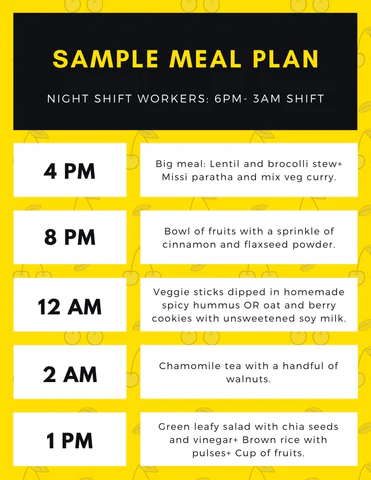
Instead of counting calories, dispatchers will benefit more from the well-timed meals done on a definite schedule. A structured shift work diet helps stabilize energy during long dispatch windows.
Diet routine rule:
- Eat three meals, or two meals plus one protein-based snack at the same time every day.
This will regulate blood sugar and help cut the late-night cravings.
Build Meals Around Whole Grains and Protein
Dispatcher wellness depends fundamentally on the kind of food that helps you concentrate instead of creating energy spikes.
In each main meal, include:
- Whole grains (rice, oats, quinoa, whole-grain bread)
- Lean protein (eggs, chicken, fish, yogurt, beans)
This technique helps to patronage a balanced diet, as such the dispatchers can eat well even during their high-stress shifts.
Avoiding Late Meals Whenever Possible
Late and heavy meals disturb the quality of your sleep and recovery.
The best thing to do:
- Finish the large meals at least two to three hours before bedtime.
- If hunger appears late, choose protein and fiber options (Greek yogurt, nuts).
Avoiding late meals will improve digestion, sleep hygiene, and attention the next day.
Hydration Without Extreme
Dehydration mimics fatigue, while hydration in excessive amounts disturbs sleep.
- Drink regularly through the shift
- Cut down fluids 1-2 hours before bedtime
These minor adjustments help keep the sleep cycle regular.
Dispatcher-Friendly Meal Structure by Shift Type
| Shift Type | Recommended Meal Timing | Key Nutrition Focus |
| Day shift | Breakfast / Lunch / Light dinner | Balanced diet, steady energy |
| Night shift | Pre-shift meal / Mid-shift snack / Light post-shift meal | Protein + whole grains |
| Rotating shifts | Anchored meals at consistent intervals | Blood sugar stability |
| Panama schedule | Same meal structure on workdays | Avoiding late meals |
Section 3: Stress Management for Dispatchers
Micro-Reset Between High-Stress Moments
No long meditation is needed for dispatchers, as they just need frequent resets.
60-second reset:
- Breathe deeply through your nose
- Stand and stretch shoulders and neck
- Look away from screens
This will reduce the amount of cortisol and help dispatcher health. Stress management is operational hygiene not a luxury.
Permanent “On-Shift” and “Off-Shift” Separation
Mental carryover is one of the biggest sleep disruptors.
Create a definitive end-of-shift ritual:
- Log out of systems
- Write down unresolved issues
- Tell your self: “This is tomorrow’s problem”
This decoupling is superior to just adding extra hours in bed.
Section 4: Special Note for Panama and Rotating Schedules
Dispatchers on Panama schedules or rotating shifts must have flexibility without losing control.
Key rules:
- Keep wakeup times more flexible than fixed bedtime
- Maintain the same meal structure
- Sleep is the first priority, protect it on off days rather than social recovery
These principles are taken directly from the research on sleep for first responders and apply to dispatcher’s roles in truck driving operations.Here, routine discipline matters more than motivation, as consistent sleep and nutrition routines reduce fatigue accumulation, stabilize decision-making, and protect long-term dispatcher health under high operational pressure.This approach helps dispatchers maintain alertness across irregular rotations, minimizes recovery debt between shifts, and supports sustainable performance without relying on extreme catch-up sleep or compensatory eating habits.
Trouble Collapse Sleep, Diet, and Stress Management for Dispatchers
What’s the required sleep range for dispatchers to be consistently effective?
The majority of dispatchers usually lean toward the standard range of 7–8 hours, just like most others, but their effectiveness is more reliant on consistency than it is on exactly defined hours. In fact, a predictable sleep routine, even if it includes a bit less sleep during some shifts, is more effective for sleep quality than an irregular long recovery period.
Why is stress management so fundamental for dispatchers with regard to performance?
Stress management is not, for dispatchers, a choice or an alternative because chronic stress has a direct negative influence on mental speed, emotional management, as well as decision making. A lack of stress management will not only inhibit them from having the well-scheduled resting and eating but also the resultant cumulative fatigue and burnout.
How does stopping eating late meals enhance the quality of sleep of dispatchers?
The avoidance of late meals helps to reduce the active digestive process before going to bed, which thus induces deeper sleep. Those dispatchers who tend to skip heavy meals at night are less likely to have nightmares, also it helps them recover better, especially after deep sleep and night shifts.
Is a shift work diet really different from a regular diet?
Definitely. The shift work diet doesn’t concern itself with calorie counting much, it is more concentrated on the timing of meals and their composition. For diners, it’s very useful to have consistent mealtime and mostly include protein and wholegrain foods in order to keep the focus and the energies up when dealing with disrupted schedules.
Can short periods during a shift actually create any change?
Yes, a change can be made. Short and frequent resets, a couple of minutes breathing exercises, or stretching are healthy training to throw the cortisol out of your system. These micro-breaks are also one of the easiest stress management techniques at the dispatch center that allow for focus over longer periods.
How can dispatchers stick to a routine amid Panama or rotating schedules?
Dispatchers on Panama and rotating schedules will benefit most from keeping a fixed sleep window, schedule the same meal structure, and keep sleeping on their off days. The only flexibility should be in the wake-up times, but not for sleep and nutrition routines.
What is the biggest error in the sleep and diet of dispatchers?
The most frequent blunder would be a failure to see the sleep and diet as negotiable. Dispatcher health gets a boost when these two, sleep and food habits, are seen as routine maintenance — the exact thing that operational systems are maintained for to avoid collapse.