Basically, dispatching is the one of the roles in trucking which seems simple but has complexity once the actual load is introduced. A new employee is mostly involved in the first dispatch run not in the way of pressing buttons or assigning loads, but in the form of coordinating people, timing, laws, and cash flow at the same time.
A dispatcher is a professional person who is the one positioned in the middle between the driver and the decisions concerning logistics and human behavior. Every choice made by the dispatcher, be it positive or negative, impacts the driver, the carrier, the shipper, and ultimately the delivery result.
Dispatching in Trucking: Real vs Ideal
The definition of dispatching from the viewpoint of the trucking industry is more than just assigning loading. It is the processes that cover the alignment of freight, drivers, equipment, and time besides the real-world constraints. A dispatcher is a communications worker who receives and transmits information to coordinate operations of other personnel and vehicles carrying out a service. Trucking companies use dispatchers to relay information, direct drivers, and coordinate schedules and delivery operations.” wikipedia
The dispatcher:
- Is a logistics coordinator
- Is a communication hub
- Is a compliance gatekeeper
- Solves problems under time pressure
The decisions in freight dispatching are rarely independent. One load choice will have implications on HOS, fuel planning, delivery windows, and the driver’s availability for next run.
The most common misconception among newcomers is that dispatching is merely letting things happen. The truth is that proper planning should be done in advance and then the schedule is changed as needed.
How To Start Truck Dispatching in 2025
The Dispatching Process Step by Step
Familiarizing with the flow helps a novice dispatcher find out the stages in which to pose their questions as early as possible.
1. Load Sourcing
Loads are obtained from:
- Load boards
- Local freight brokers
- Direct shipper contracts
Each load comes with terms, which are rate, pickup time, delivery time, equipment type, and special requirements.
2. Driver and Equipment Matching
The dispatcher checks:
- CDL class
- The type of trailer
- Location
- Remaining HOS
- Driver preferences and experience
People may think the profit will be high for this load, but in fact, this is not useable load due to hours of service or equipment mismatch.
3. Route and Timing Review
Before a load is assigned a dispatcher must consider the following:
- Transit times
- Traffic patterns
- Fuel stops
- Legal driving hours
This is the area in which practical logistics knowledge outweighs computerized solutions.
4. Communication and Confirmation
The dispatcher confirms:
- Acceptance of the load with the driver
- Appointment details with the shipper
- Delivery expectations with the consignee
Wrong communication in this point can result in detentions, missed appointments, or penalties.
5. Monitoring and Adjustment
When the truck is on the road, dispatching continues:
- Tracking progress
- Adjusting for delays
- Updating brokers or shippers
- Supporting the driver during issues
The dispatching never stops until the load is delivered and the case is closed.
Dispatching Workflow Overview
| Dispatch Stage | Primary Responsibility | Common Risk |
| Load sourcing | Selecting viable freight | Poor rate or timing |
| Driver matching | HOS & equipment fit | Compliance violations |
| Route review | Legal and realistic timing | Missed appointments |
| Communication | Confirming expectations | Detention & penalties |
| Monitoring | Managing disruptions | Driver stress |
Key Questions a New Dispatcher Should Ask Before Their First Run
1. What Are the Driver’s Real Hours of Service?
Compliance with HOS is a must. Thus, before a new dispatcher gives any load, he/she must ask:
- How many driving hours are left today?
- What is the on-duty window?
- Are there split sleeper options?
Neglecting HOS means breaking the law, getting fined, and putting drivers in danger.
2. What Equipment Limitations Apply to This Load?
Not all trailers are created equal. Before dispatching, one should check:
- Is it a dry van, reefer, flatbed, or special equipment?
- Are there any weight or length limitations?
- Does the load need straps, tarps, or temperature control?
Mismatch of equipment/bookings leads to delays and mistrust in carriers and drivers.
3. Who Is the Shipper and Consignee — and How Do They Operate?
A shipper and consignee have their work patterns:
- Stringent appointment schedules
- Loading or unloading takes time
- Paperwork procedures
A new dispatcher must ask:
- Is this loading dock frequently the cause of detention?
- Are appointments strict or flexible?
- Who is to be contacted if issues arise?
Such understanding spares both the driver and the schedule.
4. What Is the True Pay Structure of the Load?
The rate confirmation is important, but the reality supersedes it:
- Is detention paid for or not?
- Are layovers compensated at all?
- Who is responsible for lumper fees most of the time?
A dispatcher should not only be interested in booking freight but also in looking out for the driver’s income.
5. What Is the Load’s Effect on the Subsequent Run?
A good dispatcher is always looking forward to the aftermath. A newcomer may inquire:
- Where will the truck be parked after unloading the freight?
- Is there other freight in that area?
- Will this create deadhead miles?
A single bad load can mess up a whole week’s schedule.
Common New Dispatcher Mistakes
| Mistake | Consequence |
| Ignoring real HOS | Violations and fines |
| Relying only on software | Missed real-world issues |
| Poor communication | Detention and penalties |
| Load-first thinking | Broken schedules |
| No future planning | Deadhead miles |
Truck Dispatching Basics: Dispatching 101
Normal Dispatching Pitfalls Made by New Employees
Taking Dispatching as “Load First, Details Later”
In trucking, the details must come first to prevent crises from happening later.
Overreliance on Software
The boards of the load and the dispatch software can assist decisions, but they cannot be a substitute for the right judgment.
Ignoring Driver Feedback
Drivers are not simply the machine’s operators; they provide timely information about logistics.
Underestimating Communication
Many of the dispatch failures are derived from assumptions instead of confirmations.
The Dispatcher – Driver Connection
Dispatching is the most effective when the relationship is built on trust.
A dispatcher should be:
- Respectful with HOS limits
- Sincere about delays
- Should avoid LAST-MINUTE pressure
Drivers who trust dispatchers are safer, accept better loads, and stay with carriers longer.
Dispatching vs. Freight Brokers: Differences Explained
One of the top concerns for trainees is to mix up a dispatcher with a freight broker.
- The freight broker is the one who represents the freight
- The dispatcher is the one who is the representative of the driver and carrier
The dispatcher negotiates in favor of the carrier, not the broker. This difference is crucial to understand both in logistics and trucking dispatching.
What Constitutes a Good First Dispatch Run?
A triumphant initial run is not necessarily about faultless execution, rather it is precisely controlled execution.
Key indicators of success that you should watch for include:
- HOS compliance remains intact
- Communication is concise
- No shocks for the driver
- Delivery performed without the need for any emergency action
Learning to dispatch is a process of iterations. Pick each learning opportunity from every run.
Dispatching as a Job: What a Beginner Dispatcher Should Understand Before the First Run
For many newcomers, dispatching begins as a job opportunity rather than a long-term profession. However, the first dispatch run quickly shows that the dispatcher job is not clerical work. It is a role that blends logistics, communication, compliance awareness, and constant decision-making.
A beginner dispatcher often asks how dispatching works in theory, but the real understanding comes from asking the right dispatcher questions before touching the load board. Dispatching is learned not by memorizing software steps, but by understanding consequences. Every load selected, delayed, or declined shapes the day of the driver and the credibility of the carrier.
From a logistics dispatcher’s perspective, the first run is not about speed. It is about control. New dispatchers who rush to book freight without understanding constraints usually face issues with hours of service, missed appointments, or driver frustration. The dispatcher job rewards caution and preparation far more than aggression.
The Load Board Is a Tool — Not a Strategy
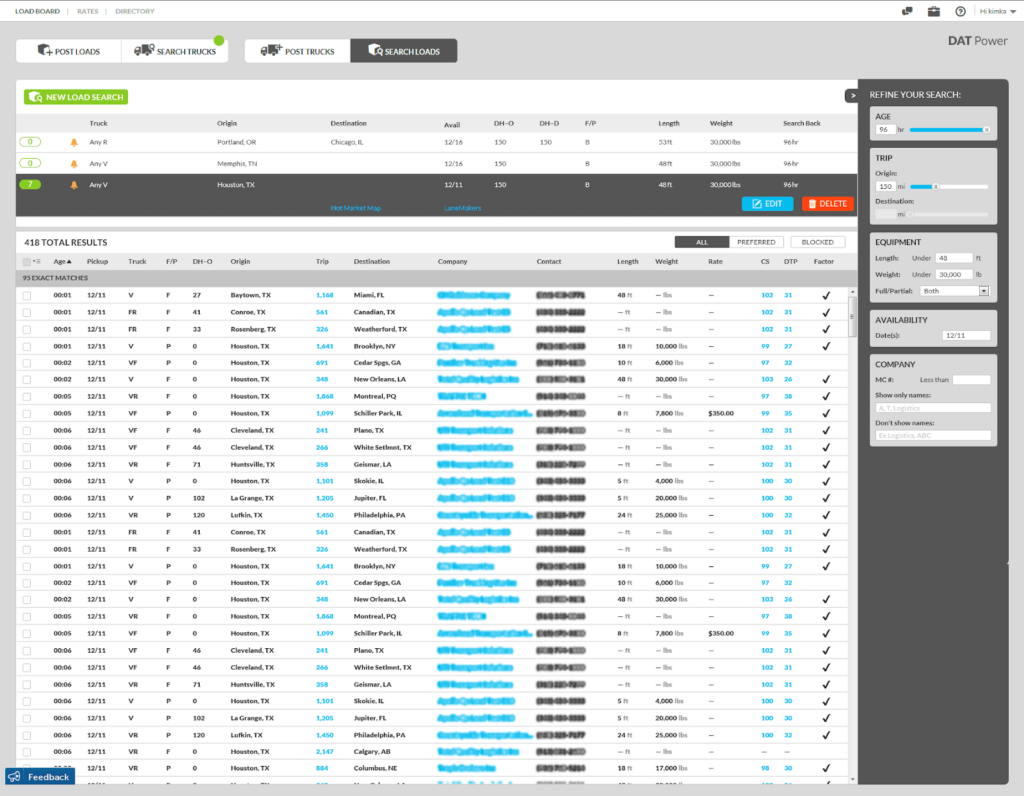
One of the most common mistakes a beginner dispatcher makes is treating the load board as the center of dispatching. In reality, the load board is only a source of options.
Before clicking “book,” a new dispatcher should pause and ask:
- Does this load fit the driver’s remaining hours?
- Does it align with the equipment on hand?
- Does it position the truck well for the next run?
Understanding how dispatching works means realizing that not every available load should be taken. Dispatching is not about filling the calendar — it is about protecting the workflow.
Experienced logistics dispatchers use the load board selectively. They filter loads through real-world limits: HOS, traffic, facility behavior, and driver capability. For a newcomer, learning this filter is more important than learning the software itself.
Dispatcher Questions That Define Long-Term Success
A strong beginner dispatcher develops a habit of questioning before acting. The quality of dispatcher questions determines the quality of dispatching outcomes.
Before the first run, useful questions include:
- What problem could this load create later today?
- What happens if the pickup is delayed by two hours?
- How does this affect the driver’s next available run?
Dispatching is not about reacting to events, but about anticipating them. A newcomer who learns to think two steps ahead transitions faster from beginner dispatcher to reliable logistics dispatcher.
Why the First Run Is About Learning, Not Perfection
The first run in dispatching is not a test of perfection. It is a test of awareness. Mistakes will happen, but controlled mistakes teach more than rushed success.
A good first run in a dispatcher job shows:
- Respect for hours of service
- Clear communication with the driver
- Thoughtful use of the load board
- Willingness to ask questions instead of guessing
Dispatching is a profession built on repetition. Each run refines judgment, improves timing, and sharpens logistics instincts.
Concluding Thought: Dispatching Is Decision Management
For a newcomer, the dispatcher is not about being all-knowing, but about being a knowledge seeker who asks the right questions before problems surface.
Understanding how dispatching works means recognizing trucking as a system of constraints. The dispatcher’s job is not to eliminate those constraints, but to arrange them intelligently — again and again — on every run, while balancing compliance, timing, driver trust, and long-term operational stability. This mindset defines the foundation of a successful dispatcher job in trucking.