Night runs are often seen as the easiest miles, as they are the deserted roads with almost no vehicles and no pressure from the day sun. However, the night shift logistics is the actual reality in which the planning errors are the most puzzling. Types of errors that result in the truck delivery schedules being missed, delivery windows being missed and late delivery fines are usually more common during the shifts of truck drivers who work overnight compared to their colleagues who work daytime.
Night run planning exposes planning mistakes much faster than daytime operations, because delivery schedule issues surface immediately and leave no room for correction. In these conditions, even minor route planning mistakes translate directly into truck delivery delays and fines for late delivery.
This is a simple explanation. During this time, there is no buffer. Warehouses are only opened periodically. Delivery windows are usually shorter. Thus, the leniency of enforcement is lower in the night operations as compared to the day operations. Therefore, when a night run plan fails, the possibility of consolidating the lost time before the delivery schedule problems become due and start adding penalties is very little.
The following numbers are the most frequent misconceptions noted when discussing night run logistics which typically lead to overnight shipping mistakes, compliance issues, and supply chain errors.
1. Equating Night Runs to “Day Runs, but Faster”
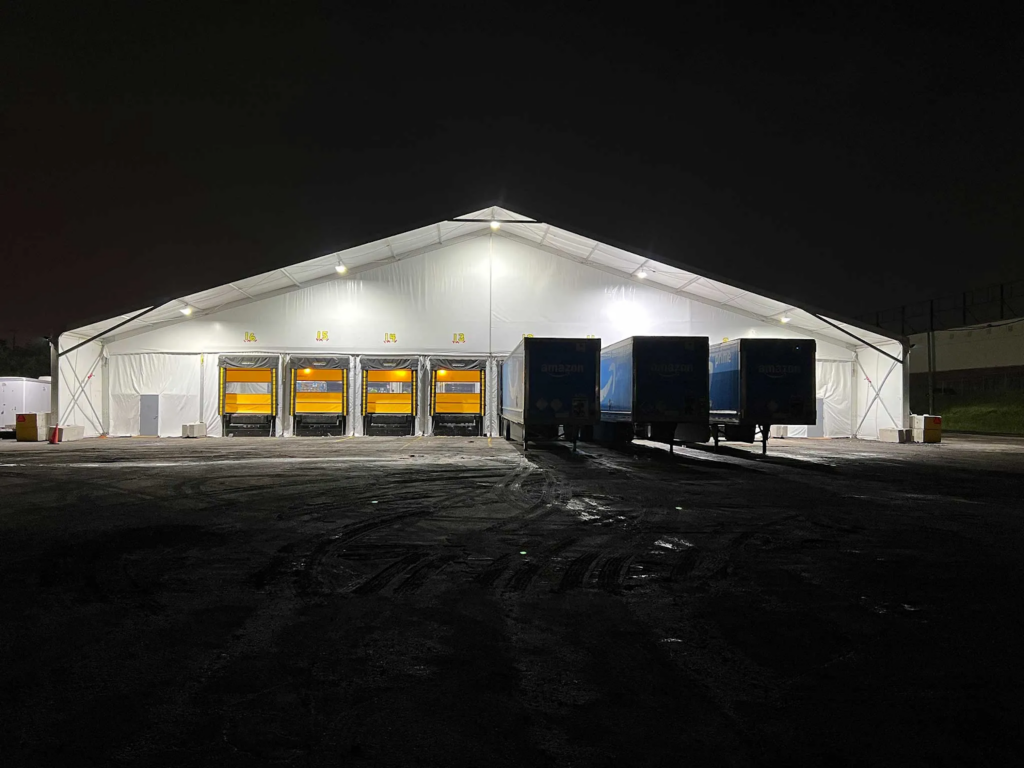
The most prevalent issues with ghost driving are often made by the assumption that a less amount of vehicles on the road will automatically mean faster deliveries.
In reality, the operations at night come with some restrictions that the previous day would have:
- Less personnel in the warehouse
- Delayed responses at the dock
- No after-hours access procedures
Roads may be free, but final mile deliveries at dark are slower, not faster. Security checks, gates closed, and manual log-ins together take more time on average than the daytime does.
Result: The truck arrives at the facility on time but does not meet the real delivery window.
2. Ignoring Facility-Specific Night Schedules
The problem of scheduling routes often appears when drivers or dispatchers use standard appointment timing without reading the facility-specific night rules first.
The most commonly missed items are as follows:
- Night-only check-in cutoffs
- Last trailer acceptance times
- Security staff availability
- Mandatory pre-arrival phone calls
It is often not the rules that are relaxed but the opposite. A minor cutoff miss frequently forces unloading to the next shift, thereby incurring freight fines and delayed performance.
3. Routing Without Considering Night Infrastructure Reality
A common mistake in overnight shipping is operators taking for granted the night time infrastructure is the same as the day one.
Assumed daytime routing values fail at night due to:
- Gas stations closed at night
- Weigh stations going to enforcement-only mode
- Construction zones limiting traffic flow
- Urban detours as a result of night time restrictions
Routes looked optimal during the day turn into inefficient routes at night, especially around the port area, industrial districts, and highly congested freight corridors.
Many nocturnal transportation errors originate from outdated routing assumptions. Route planning mistakes that seem harmless during the day often become critical at night, when closed services and restricted access create unavoidable delays.
4. Misunderstanding the Driver Fatigue Effect on Timing
Night shift logistics are not only about roads but human limits as well.
Even drivers who follow the rules have:
- Slower reflexes
- Less speed precision during maneuvering
- Longer brake periods to stay safe
Designing night running plans that are directly proportional to day runs leads to transportation delays and non-intentional scheduling resets.
5. Leaving No Forgiveness in the Delivery Schedule
A very harmful logistics planning mistake is the building of night runs that do not have any recovery buffer at all in the first place.
Late working recovery options are few, and they include:
- No optional docks
- No flexible rescheduling
- Limited dispatch support
A single disruption causes an inspection, weather change, or traffic stop — puts out late delivery fines and worsens delivery performance.
When recovery margins are removed from night schedules, truck delivery delays escalate rapidly. These planning mistakes turn small disruptions into full delivery schedule issues that cannot be resolved before penalties apply.
6. Mistaking “24/7” for Full Functionality
The problem of supply chain errors in night transportation frequently refers to misreading “24/7” as a functional facility label.
“Open 24/7” usually means: only gate access drop-and-hook operations, no live unloading, and limited paperwork processing.
When full operations are unavailable, trucks may wait until morning and still be recorded as late arrivals.
7. Poor Dispatch–Driver Coordination at Night
The factor of scheduling errors multiplies at night due to lower communication windows.
Common nighttime transport errors include:
- Missed calls during rest periods
- Delayed updates when problems arise
- Assuming silence equals progress in dispatch
Night run logistics require more proactive communication so when coordination is broken minor delays escalate into compliance issues, and penalties.
Avoiding fines during night operations requires deliberate coordination. Without proactive communication, nocturnal transportation errors compound, making it impossible to correct timing before delivery windows close.
8. Ignoring Night-Specific Compliance and Enforcement Patterns
Many night driving mistakes collide with stricter enforcement.
During night operations:
- Inspections focus heavily on fatigue indicators
- HOS violations are enforced with minimal discretion
- Parking violations are aggressively monitored
Routing plans are approved in the daytime and are not faulty, but they fail under the stringent enforcement conditions at night.
9. Viewing the Final Mile as an Afterthought
The final mile is the most common failure point in overnight shipping mistakes.
Typical night final-mile challenges include:
- Access roads being restricted
- Entry controlled by security
- Noise issues that limit the unloading
- Staging space that is non-existent
Designing to do only long-haul miles but ignoring the final-mile constraints leads to almost complete certainty in the shape of missed delivery windows.
Final mile delivery is the most underestimated risk in night logistics. Even when long-haul execution is flawless, unresolved final mile delivery constraints are a leading cause of missed delivery windows and financial penalties.
Night-Run Planning Errors Are Costlier Due to
Night operations tighten time, options, and tolerance.
| Factor | Day Runs | Night Runs |
| Recovery options | Multiple | Minimal |
| Dock flexibility | Moderate | Low |
| Enforcement tolerance | Variable | Strict |
| Communication backup | Available | Limited |
Optimizing night runs is not about speed but about control. Structured night run planning reduces route planning mistakes, limits truck delivery delays, and improves overall delivery performance while actively avoiding fines.
Hence, avoiding night transport fines mostly depends on disciplined planning rather than driving speed.
How to Optimize Night Runs Without Raising Risk
The practical solution for optimizing the night runs is through:
- Double-checking on the facility-specific night rules
- Placing buffers before the delivery windows
- Considering fatigue-related downtimes
- Planning the final-mile access conservatively
- Keeping up with the night communication that is proactive
Night operations are rewarded with predictability as opposed to aggression.
The last thought: Night runs highlight weak planning.
Most of the night driving mistakes are not truly reckless but are rather daylight conceptions applied to night logistics.
Night runs are more assertive in logistics planning glitches, enact the rules tougher, and do not allow breathing space. Achieving the night shift logistics success does not lie in driving faster, rather it rests in reaching the point when the system tells you.
Discipline in timing then preserves delivery quality, avoids the costs of rescheduling, and results in a better-shared trip. Therefore, it not only helps to strengthen the supply chain but also stops it from being destroyed.
FAQ: Night-Run Planning, Delivery Windows, and Fines
Are nighttime runs more susceptible to delivery timetable problems compared to daytime runs?
Night runs have tighter operational margins. Logistics centers are provided with shorter delivery windows, have limited workforce, and enforce rules more strictly. As there are fewer alternative ways of making up for delays at night, the schedule problems in delivery appear earlier than in the case of daytime work.
What are the most usual planning mistakes in the night run logistics?
The main errors in nocturnal organization occur because people take it for granted that roads will be empty which will translate into quicker trips, they do not respect the special night rules of a given facility, they overlook final mile delivery constraints, and they plan schedules without buffer time. As a result, these mistakes often lead to truck delivery delays and deficiencies due to late delivery.
What is the effect of route planning mistakes on overnight shipping performance?
Almost all the route planning mistakes at night intersect with closed fuel stops, enforcement-only weigh stations, or restricted-access routes. These transportation issues at night hinder timing and can lead to missing deliveries even when the long-haul section is carried out accurately.
Why is final mile delivery the pivotal aspect in the night operative business?
Last mile shipping is frequently the weak point in the nighttime logistics. Security-controlled access, noise prohibitions, and the absence of personnel for unloading the cargo act as barriers to arrival processing. Absence of these factors seems to lead to a high delivery window failure rate regardless of the driving route effectiveness.
Can night driving errors also cause compliance violations if HOS is respected?
Yes. Some night driving mistakes like bad parking, fatigue indicators, or missed appointment cutoffs can initiate compliance problems even when the service hours of the driver are compliant.
In what way can drivers and dispatchers assist each other to prevent fines on night runs?
Apart from the fine-fighting modes of communication, it is necessary for dispatchers and drivers to acknowledge rules specific to night facilities, provide timely updates, and preempt any emergencies by altering plans. The absence of drivers in the night hours often makes it impossible to check for delays that would later cause penalties.
Does optimizing night runs imply faster driving?
No. The main goal of night run’s optimization is predictability, not velocity. Conservative planning, buffer time, and realistic final mile planning can enhance delivery performance and keep away fines far more effectively than driving aggressively.
What is fatigue’s share in the planning of night runs?
Fatigue leads to slowing of reaction time, poor efficiency of maneuvering, and degradation of dock performance. Night run planning that is based on the productivity level of the day often leads to scheduling issues and delays in truck deliveries.
What are the measures companies can take to minimize errors in the supply chain in the course of the night transport?
The proactive approach to runnings the night time supply chains will start with the consistent, disciplined night run planning; verification of the night rules, calculating fatigue, planning the final mile access, and reducing route planning mistakes. The night performance of deliveries is more protected by consistency and preparation than by flexibility.