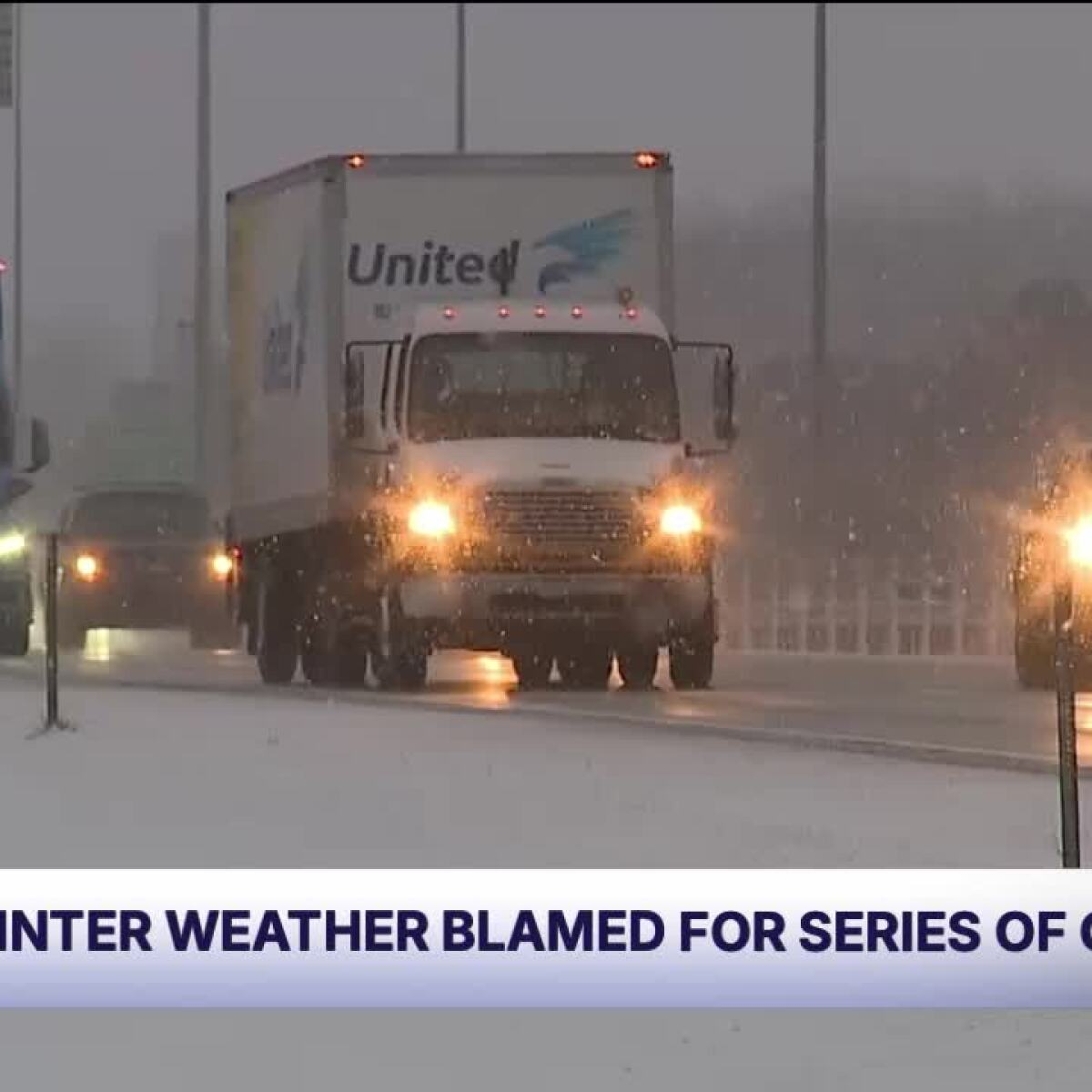
Delays are sometimes a part of daily operations in truck driving and freight transportation. Weather disruptions, traffic standstills, and HOS (Hours of Service) limits constitute these conditions. The fundamental difference between the professional carriers and owner-operators on the one hand and the unreliable ones on the other lies not in the lack of delays but in the description of those delays.
Customer message templates should be concise and timely so as to manage expectations, protect trust, and lower the possibility of escalation. In this article, you will find the most common logistical delays ready-to-use templates, with a special emphasis on proactive communication, accuracy, and customer service best practices.
Delay Communication in Trucking: The Importance
Oftentimes, lack of prompt information regarding shipping delay makes the whole delay more frustrating. Generally, customers want three things:
- Knowledge that the issue is exactly what it seems
- A realistic revised timeframe
- Frequent updates of delivery if, by any chance, things change
A delivery delay message constructed in a correct manner lowers the number of inbound calls, sustains relationships, and sends a clear message about the operational control — even during the process of transportation.
General Guidelines for Sending Delay Messages
Before trying any templates, take into consideration these general suggestions:
- Always notify the concerned party about the delay as soon as it is confirmed
- Specify the exact reason; do not be vague (weather, traffic, HOS)
- Mention a new transit time or the next checkpoint
- In professional delay communication, it is important to apologize for delay briefly, acknowledge the inconvenience, and then focus on the updated delivery details.
- Recognize the inconvenience, and say how much you are sorry for the delay without making it too long
Key Components of an Effective Delay Message
| Component | Purpose in Communication |
| Clear reason for delay | Prevents assumptions and speculation |
| Time reference (ETA / checkpoint) | Allows the customer to adjust expectations |
| Acknowledgement of inconvenience | Signals professionalism and accountability |
| Update commitment | Reduces follow-up pressure from the client |
Customer Message Templates for Weather Delays
Weather delays are frequent and understood by everybody but yet clients demand transparency.
Template 1: Initial Weather Delay Notice
Hello [Client Name],
We want to inform you of a weather-related delay affecting your shipment. Due to current conditions along the route, the driver is proceeding at a reduced and safe speed.
At this time, the expected delay is approximately [X hours]. We will provide another update as conditions change.
Thank you for your understanding,
[Your Name / Company]
Template 2: Ongoing Weather Delay Update
Hi [Client Name],
As a quick client update, weather conditions are still impacting transit. The shipment is moving safely, and the updated estimated arrival is [new ETA].
We appreciate your patience and will continue proactive communication until delivery is completed.
Customer Message Templates for Traffic Delays
Traffic delays are mainly the source of the customer’s reassurance doubts, which is why the notification with traffic detours along the roadway is a must.
Template 3: Traffic Delay Notification
Hello [Client Name],
This is a brief notification of delay regarding your delivery. The truck is currently experiencing traffic delays due to congestion and roadway conditions.
The expected delay is [X minutes/hours], and the route is being monitored for alternatives where possible.
We will keep you informed if the situation changes.
Template 4: Traffic Delay with Revised ETA
Hi [Client Name],
Following up with a shipping delay update. Traffic conditions have extended transit time, and the revised ETA is now [new ETA].
Thank you for your patience. Please let us know if you need additional coordination on your end.
Customer Message Templates for HOS (Hours of Service) Delays
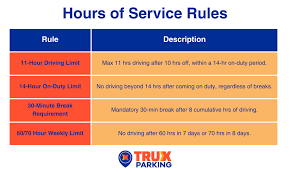
HOS delays require careful wording to emphasize compliance and safety.
Template 5: HOS Delay Explanation
Hello [Client Name],
We are providing a client update regarding your shipment. Due to Hours of Service regulations, the driver is required to take a mandatory rest period before continuing.
This will result in an expected delay of approximately [X hours], with delivery resuming immediately after the rest period is completed.
Safety and compliance remain our priority.
Template 6: HOS Delay with Delivery Confirmation Window
Hi [Client Name],
As part of our proactive communication, we want to notify you of a brief delay caused by HOS requirements.
The updated delivery window is now [time range]. We will confirm again once the driver is back in motion.
Multi-Factor Delays (Weather + Traffic + HOS)
Sometimes delays overlap. Transparency matters most in these cases.
Template 7: Combined Logistical Delays
Hello [Client Name],
We would like to provide a clear update regarding your order delay. Weather and traffic conditions, combined with required HOS compliance, have extended the transit time.
The current estimated delivery is [ETA]. We will continue to monitor the situation and send updates as needed.
Thank you for your understanding.
Short Apology-First Templates (High-Volume Customer Service)
For quick customer service responses or response delay situations:
Template 8: Brief Apology and Update
We apologize for the delay with your shipment. Current transportation issues have impacted transit time. The updated ETA is [time], and we will keep you informed.
Template 9: Minimalist Delay Message
This is a quick update to let you know your delivery is delayed due to operational conditions. The expected delay is [X], and we’ll share the next update shortly.
Best Practices for Using These Templates
- Customize names, ETAs, and tone for each customer
- Never reuse templates without updating the expected delay
- Log each freight delay message for internal tracking
- Follow up even if the delay does not worsen
Consistent and proactive delay communication reduces disputes, chargebacks, and strained relationships — especially in truck driving operations where unpredictability is part of the job.
Recommended Update Timing by Delay Type
| Delay Type | First Notification | Follow-Up Trigger |
| Weather | Upon confirmation | Condition change or time lapse |
| Traffic | As soon as congestion is known | ETA shift |
| HOS | Before rest period | Driver back in motion |
| Combined delays | When overlap occurs | Any status change |
Dealing with Weather Delays through Articulate and Assuring Communication
If we are to talk about the disruptions in logistics, then the weather delays should be at the top of the list as the most common and also the most emotive aspect for the customers. Precipitating issues such as snow, ice, high winds, flooding, or severe storms are the factors that a carrier cannot control. At the same time, a carrier’s poor communication or delayed communication still has direct effects on customer satisfaction.
The wise way of addressing transportation problems due to weather is doing so through early, calm, and precise shipping delay updates. Customers are seldom inclined to think that miracles will happen during unfavorable weather, but they do reckon that they should be made aware of the situation and that there will be transparency. A very short message that denotes the acknowledgement of the situation and the provision of a realistic assessment of transit time can be the measure for the prevention of the escalation of frustration.
When contacting a customer, it is time for the carrier to express the apology for the delay without putting the blame on somebody or explaining too much. The mere saying of inconvenience which is added with a safety-oriented explanation, acts as professionalism reinforcement. For instance, stating that the speed is cut down due to road conditions serves as an explanation, but at the same time, it reassures the customer that the delay is intentional and responsible, rather, not operational negligence.
Weather delays additionally demand the sending of follow-up messages. Very seldom is the case one message being enough. If the conditions stay the same, periodic shipping delay updates – even when there is no major change – exhibit communication proactivity and inventory expectations.
In truck driving operations, weather will always be a variable. Regular and good communication turns the uncontrollable event into a manageable customer experience.
Hours of Service Delays: Outlining Compliance without Creating Friction
Delays pertinent to hours of service are subject to misunderstanding by customers predominantly and especially those who lack knowledge regarding trucking regulations. Unlike traffic or weather delays, HOS interruptions are seen as a result of the bad planning rather than the reason why nothing was communicated well.
A marketing communication on hours of service which will resonate with the clients must be compliance and safety-focused. Customers ought to be made aware of the fact that, in reality, the rest periods are not optional but a legal obligation to achieve a safe operation. A well-phrased client update turns the delay into a protective measure, rather than a setback.
Clarity is the main point in the shipping delay updates concerning HOS. Messages must state the expected duration of the rest period and when the movement will take place again. Implied explanations often create uncertainty, while specified timelines help customers adjust their own schedules.
It is also important to say the phrase ‘I am sorry
‘ for the delay while staying firm in the decision. Over-apologizing can be taken as a sign of a lack of control, while the correct tone is a communication of stewardship. The target is to admit the inconveniences caused without weakening the operational authority.
HOS-related delays are also confirmed via follow-ups. Right after the driver is again set for the road, a short message will assure the client of reliability and it will also end the communication flow. This action, despite it being small, will accrue to a significantly altered perception of the customer.
In freight transportation, hours of service are a constant constraint. Clear communication ensures that compliance-driven delays do not turn into trust-driven losses.
Final Thought
Delays caused by weather, traffic, or Hours of Service are not operational failures — poor communication is. Using structured customer message templates ensures professionalism, clarity, and trust, even when delivery timelines shift.
In freight transportation, clear words travel just as far as the truck itself.